Studio Light Aging QC: What Buyers Should Know About Burn-In Testing
Studio light burn- in testing, widely known as aging testing, is a key QC checkpoint that many importers overlook while vetting suppliers. A product sample can pass visual inspection and quick power-on checks without issues. Still, hidden weaknesses may only surface after long continuous operation.
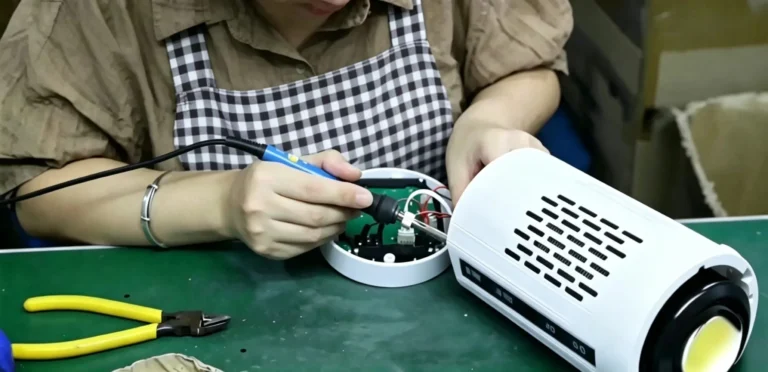
Burn-in testing runs lights under rated voltage for a set duration, to catch unstable drivers, poor thermal design or weak solder joints — faults that would turn into early failures once delivered to your customers.
During aging QC, technicians keep track of multiple performance indicators. Brightness stability, color temperature consistency, fan noise and temperature rise are monitored throughout the test cycle. Any flicker, abnormal noise or overheating found means the unit will be rejected before packing.
This process matters especially for COB studio lights. They are built for long-duration live streaming, often running for hours nonstop. Products that skip proper aging testing carry higher risk of breakdowns after arriving at your market.
As a bulk buyer, you should ask your supplier two practical questions: How long is your standard burn-in cycle? And is every unit tested, or only random samples? The answers help you evaluate whether their quality control system is reliable enough for your distribution orders.
Good specs and clean assembly count, but aging QC is one final barrier to filter latent defects before cargo is loaded for shipment.