What Causes Delays For Studio Lighting Bulk Orders
Every bulk importer builds their sales timeline around confirmed lead times. Delays to studio lighting shipments can mess up your stock plan, miss selling seasons, and put pressure on your local customers. Many delays are predictable if you know where the common bottlenecks sit.
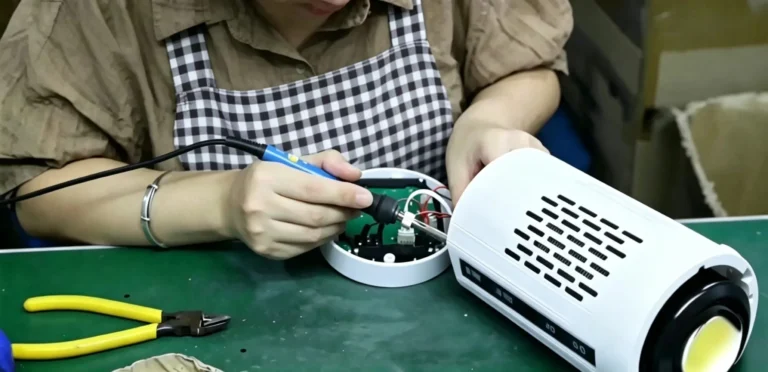
1. Component supply shortages COB chips, driver power boards, fan parts and plastic housings all rely on separate suppliers. If one key component runs out of stock, the whole production line has to pause. Even if the factory schedule looks solid at first, part shortages are one of the most frequent reasons for pushed-out delivery dates.
2. Revision requests after production starts Some buyers adjust specs, logos, packaging details or labels after mass production has begun. Any change requires rework, new packaging or updated test files. These last-minute revisions will add extra days or weeks to the lead time.
3. Extra testing and certification updates When products need additional lab testing or updated compliance documents, the factory cannot ship until reports are ready. This often happens for orders going to EU, North America or Middle East markets, where customs rules are strict.
4. Peak-season factory capacity squeeze Before major shopping seasons, factory orders pile up. Production slots fill quickly. If you confirm your order late, your shipment may get pushed back, even if the supplier promised a standard lead time at the time of inquiry.
5. Packaging and custom printing hold-ups Custom color boxes, printed user manuals, branded foam inserts take separate production time. Sometimes the lights themselves are finished, but custom packaging is still waiting. Goods cannot be packed and handed over for loading until packaging materials arrive.
Practical tip for buyers Confirm with your supplier what counts as “lead time”. Clarify whether it starts from deposit receipt, artwork approval, or component arrival. Build a small buffer window into your own sales schedule for unexpected hold-ups.
Clear communication on timelines helps you manage inventory properly and avoid disappointed local buyers